
November is a wonderful time to get outside in Phoenix. The summer heat has finally eased, gardening becomes a pleasure again, and those trees you barely wanted to look at during August suddenly seem worth some attention.
But should you start trimming your mesquite and palo verde trees now?
It’s a reasonable question, especially if they’ve grown rather untidy over the summer. The answer, however, isn’t quite as simple as picking up a pruning saw and getting started.
November Isn’t Automatically Pruning Season
One of the biggest mistakes Arizona homeowners make is assuming cooler weather means every tree is ready for a haircut.
Mesquite and palo verde trees are adapted to desert conditions, but they’re not identical in how they grow or respond to pruning.
November can be a useful time to inspect their structure, identify damaged branches, and plan future maintenance. That doesn’t necessarily make it the ideal month for major pruning.
In fact, some native trees are better suited to substantial structural pruning at other times of year.
An experienced arborist can help decide what genuinely needs doing now and what can safely wait.
Mesquite Trees Need More Than a Quick Trim
Mesquite trees are fantastic for Arizona landscapes. They provide welcome shade, have attractive spreading canopies, and cope remarkably well with our climate.
The downside? Some varieties grow quickly and develop heavy branches that stretch across driveways, patios, or neighbouring properties.
It’s tempting to remove large sections to make everything look tidy.
Unfortunately, excessive pruning can expose previously shaded bark to strong sunlight and interfere with the tree’s natural growth.
A better approach involves examining branch structure, identifying genuine hazards, and making selective cuts where appropriate.
And don’t assume falling leaves mean something is wrong. Many mesquite varieties naturally lose foliage as cooler weather arrives.
Palo Verde Trees Have Their Own Requirements
Palo verde trees are just as recognisable around Phoenix, particularly when they’re covered in brilliant yellow flowers during spring.
Their green bark is part of what makes them unusual. It also means protecting that bark from excessive sun exposure matters.
Removing too much foliage can leave branches and trunks vulnerable.
Palo verdes sometimes develop crossing limbs, crowded growth, or branches that interfere with walkways. These issues deserve attention, but aggressive trimming isn’t the solution.
The aim should be healthy structure rather than forcing the tree into an artificial shape.
For many established trees, a properly planned pruning programme is much better than an annual heavy cut.
Look for Problems Left Behind by Summer
November offers another opportunity. You can inspect your trees for damage that wasn’t obvious during the monsoon season.
Look for cracked branches, suspicious splits where major limbs join, or areas where the canopy appears unusually sparse.
Check around the trunk, too. Fresh soil movement or a sudden change in the tree’s lean may indicate a problem with its roots.
Not every unusual feature means the tree is dangerous.
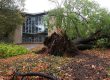
However, a newly leaning tree, major structural crack, or hanging branch should be assessed promptly, especially near buildings or places people regularly use.
Keep clear of damaged areas rather than attempting complicated repairs yourself.
Don’t Remove Healthy Branches Just Because They’re Low
Low branches can sometimes be inconvenient, particularly over lawns and driveways.
Yet removing every lower limb can create other problems.
Trees naturally distribute their growth according to their surroundings. Raising the canopy too dramatically may spoil the tree’s form and remove valuable shade.
Professional pruning considers clearance, future development, overall health, and the amount of foliage retained.
Sometimes the best recommendation is to leave a healthy branch alone.
That’s not neglect. It’s good tree care.
Let Arbor Care Assess Your Trees This November
If your mesquite or palo verde trees need attention, Arbor Care can help you decide what should be pruned now and what should wait. Serving Phoenix, Tempe, Mesa, Chandler, Scottsdale, Gilbert, and surrounding communities, Arbor Care provides professional tree assessments, trimming, pruning, and safe removal services. Its certified arborists understand the different requirements of Arizona’s landscape trees. Call 480-797-5566 today to arrange a free estimate and give your trees the care they need without unnecessary cutting.
Live References
https://www.arborcareaz.com/tree-services/
https://www.arborcareaz.com/when-to-call-an-arborist-for-a-tree-assessment/
https://extension.arizona.edu/publication/mesquite-and-palo-verde-trees-urban-landscape
https://leafnetworkaz.org/Thinning-and-Pruning
https://extension.arizona.edu/publication/pruning-shrubs-low-and-mid-elevation-deserts-arizona